
When Diwen started his Polygence project, he wanted to challenge himself in a new way. Badminton had always been part of his life, and more recently, he had started learning how to code. He enjoyed both, but for different reasons. Badminton felt familiar and grounding, while programming was new and full of curiosity. Through Polygence, he found a way to connect the two and turn his interests into something meaningful.
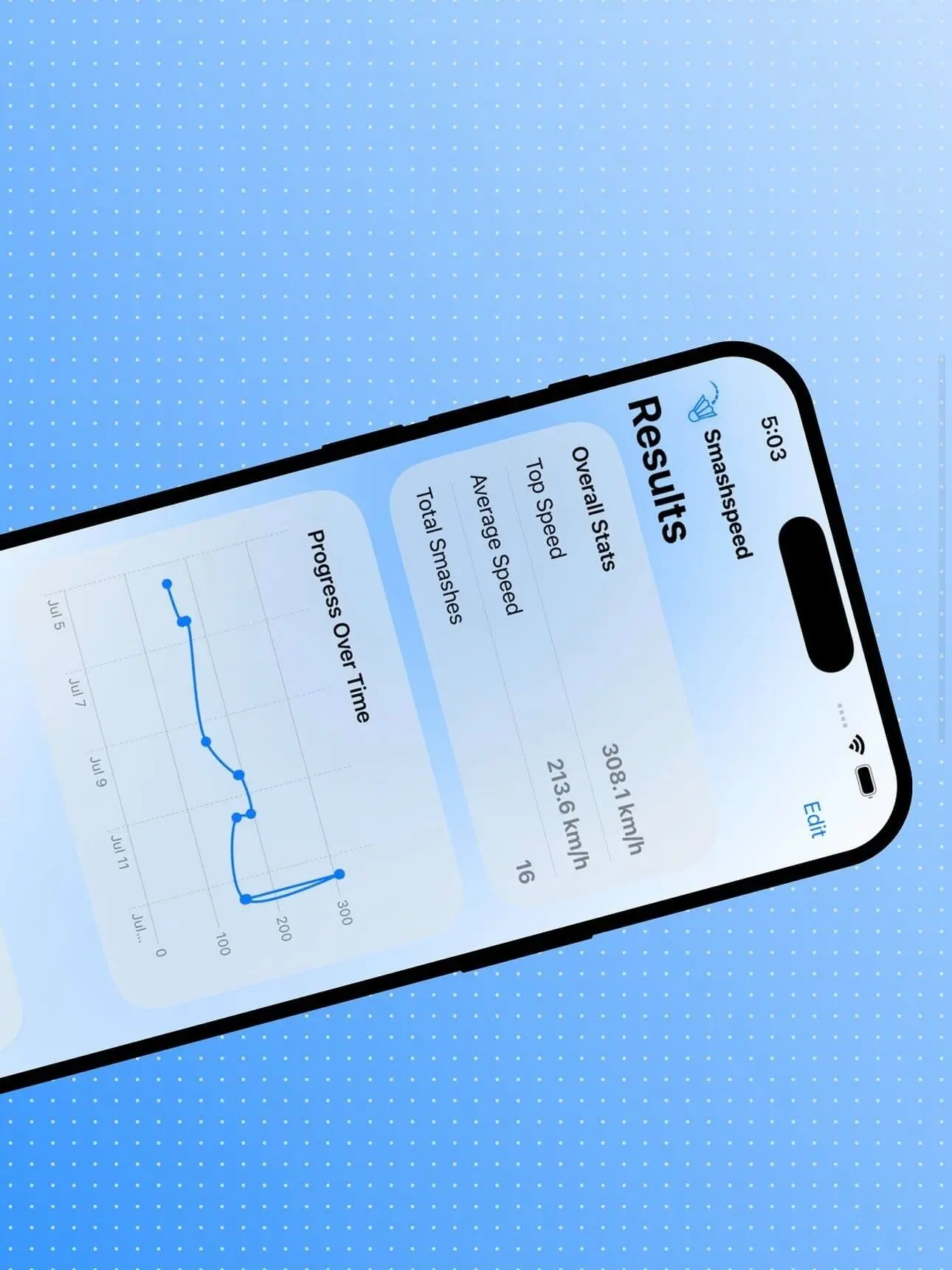
That idea turned into Smash Speed, an AI-powered badminton app that measures smash speed through video.

Seeing the Gap in Badminton Technology
Outside of school, badminton plays a major role in Diwen’s life. He plays competitively and, in May, won a provincial championship. He is also a coach, working with private students and coaching during tournaments. Spending so much time on the court gave him a perspective most people never get.
Compared to many other sports, badminton is underdeveloped when it comes to technology. Sports like tennis, basketball, and pickleball have tools that help athletes track performance and improvement. Badminton players, on the other hand, often rely on feel alone.
Diwen saw that gap clearly and decided to build something that could fill it.
🚢 Embark on Your Project-Based Learning Journey Today!🚢
Polygence's Core program - Discover the benefits of working on real-world projects, like developing life skills, preparing for success in college and getting experience to apply toward a future career.
Turning an Idea Into a Real Project
Diwen was first introduced to programming through a student-led club at school, where older students organized weekly lessons. He started coding in grade 9 and began working on Smash Speed in grade 10. Outside of the club, he continued learning on his own and slowly built confidence in his skills.
He chose to focus on computer vision for sports technology and knew early on that he wanted to create an app. The concept was ambitious: could a smartphone measure badminton smash speed using video alone?
Many people doubted it. The shuttle is small, blurry, and moves extremely fast. Even spotting it accurately in a video can be difficult for the human eye.
The biggest challenge, Diwen said, wasn’t technical. It was deciding where to start. He wasn’t sure whether to begin by building a team, creating a proof of concept or validating the idea through marketing. Eventually, he focused on one thing first: building an MVP to demonstrate that the concept could work. Once that step was done, everything became clearer.

Learning Beyond Just Coding
Through Polygence, Diwen was matched with a mentor with a Master of Engineering degree from the University of Pennsylvania and several years of experience in sports technology. Their sessions went beyond fixing bugs or writing more code.
Together, they talked through how to approach the problem, what to prioritize, and how to think about the project as a whole. Diwen learned how to break complex ideas into smaller steps, follow industry standards, and think ahead about how the system would scale.
He also learned what it takes to release an app in the real world. That included developer setup, testing, App Store submissions, review processes, preview screenshots, and in-app payments. These were parts of app development he had never encountered before.
As Diwen shared:
“Just knowing how to code isn’t enough to make an app. I learned a series of algorithms and industry standards and conventions that are just passed down from mentor to student, and it’s not something you can get elsewhere.”
With guidance and steady feedback, the project took shape over time. What started as an idea turned into a real, working product.
Find Your Project
Our AI-assisted project idea generator combines your passions to kick start your research journey.
Building a Team and Learning to Lead
As Smash Speed developed, Diwen realized he couldn’t handle everything on his own. Development, marketing, communication, and platform support quickly became too much for one person.
He brought friends onto the project and divided responsibilities. Some focused on marketing and emails, while Diwen took the lead on development, managing both the iOS and Android versions of the app. Working with a team helped speed up the process and made everything more efficient.
One of the biggest takeaways for him was leadership. Leading a team, delegating tasks, and coordinating work became an important part of the experience.
There were surprises along the way too. Early on, Diwen manually labeled the shuttle in videos, which was extremely difficult. Over time, the AI model learned to detect it more accurately than he could. Seeing the model surpass human accuracy was one of the most unexpected and rewarding moments of the project.
Reflections on the Journey
Looking back, Diwen said the project changed how he approaches new ideas.
Before this, he often had ideas but wasn’t sure how to move them forward. Working through Smash Speed helped him see that once he commits to a direction and builds a proof of concept, everything becomes more manageable.
For students considering a Polygence project, his advice is straightforward: choose a topic that truly matters to you. When you care about the idea, you naturally drive the process forward. The sessions move faster, and the experience becomes not just educational, but genuinely enjoyable.
Turn Your Resolutions Into Real Growth
🎯 Ready to turn New Year goals into real academic growth? Work with expert mentors who help students design meaningful resolutions and build skills that last all year.
The Role of Mentorship
Diwen chose Polygence because he wanted guidance that would help him move faster and avoid unnecessary trial and error. He shared that without a mentor, he would have missed important perspectives, like where to tackle a challenge first and which industry standards and conventions matter when building something real.
Being matched with a mentor whose background aligned closely with the project made a meaningful difference. That alignment allowed Diwen to focus on the right problems, iterate with intention, and understand the full app development process beyond just writing code.
Through Polygence, the project became more than an experiment. It became a structured process that helped Diwen move from idea to execution while building confidence along the way.
For students with big ideas of their own, Diwen’s experience reflects how the right mentorship can provide clarity, momentum, and the support needed to turn curiosity into real work.